
The Japanese Katana: A Symbol of Tradition and Artistry
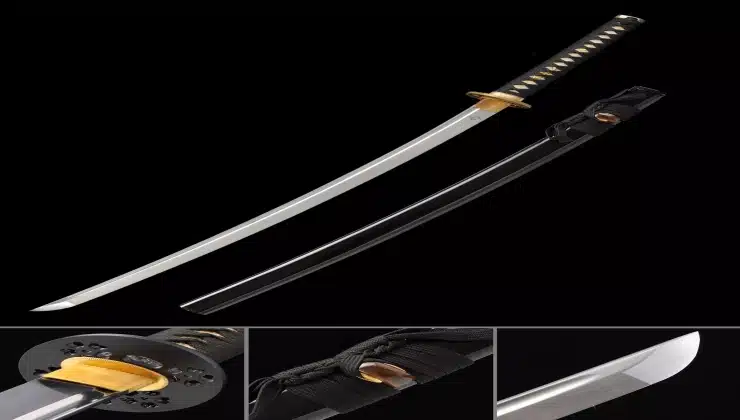
The Japanese katana, renowned worldwide for its beauty and craftsmanship, is more than just a weapon; it’s a symbol of Japan’s rich cultural heritage. This iconic “Japanese sword” has played a pivotal role in the nation’s history, captivating the imagination of enthusiasts and collectors alike.
Historical Background
Originating in the late Kamakura Period (1185–1333), the katana emerged as the preferred weapon of the samurai, Japan’s medieval warrior class. Evolving from earlier swords like the tachi, it was designed to be wielded with two hands and worn with the edge facing upward. This design was a response to the changing demands of close-quarter combat and marked a significant evolution in the craftsmanship of Japanese swords.
Design and Craftsmanship
The katana is celebrated for its unique blend of strength and flexibility, attributed to a sophisticated forging process. Swordsmiths used tamahagane, a type of steel made from iron sand, to create these swords. The steel is folded and reforged multiple times, eliminating impurities and creating layers that strengthen the blade. The distinct curve and the harmonious balance between the blade and handle are not just functional but also aesthetically pleasing, making each katana a work of art.
Cultural Significance
Beyond its use in battle, the katana holds profound symbolic and spiritual significance in Japanese culture. It’s been a subject of countless tales in literature and cinema, often portrayed as an embodiment of the samurai’s soul. In modern Japan, the katana remains a revered cultural icon, reflecting the values of discipline, honor, and craftsmanship.
Contemporary Context
Today, the katana is not only a historical artifact but also a key element in various martial arts. Its practice, known as kendo or iaido, focuses on discipline and spiritual growth. The laws surrounding the ownership and sale of katanas are strict, reflecting their importance and ensuring their preservation.
Katana for Sale: Modern Market and Collecting
In the current market, katanas range from antique pieces to modern replicas. For those interested in a “katana for sale” it’s essential to consider factors like authenticity, craftsmanship, and legal restrictions. Collectors must navigate a market that values historical significance and artistic value, often requiring significant investment.
Conclusion
The Japanese katana, more than a mere weapon, is a testament to the skills of ancient craftsmen and the enduring appeal of Japanese culture. Its evolution from a functional sword to a revered cultural artifact demonstrates its lasting legacy and continuing relevance.
References and Further Reading
For those interested in exploring more about the Japanese katana, numerous resources are available, including historical texts, documentaries, and exhibitions in museums worldwide. These resources offer a deeper insight into the fascinating world of Japanese swords.


