Why Shoulder Injuries Often Require Specialized Rehabilitation
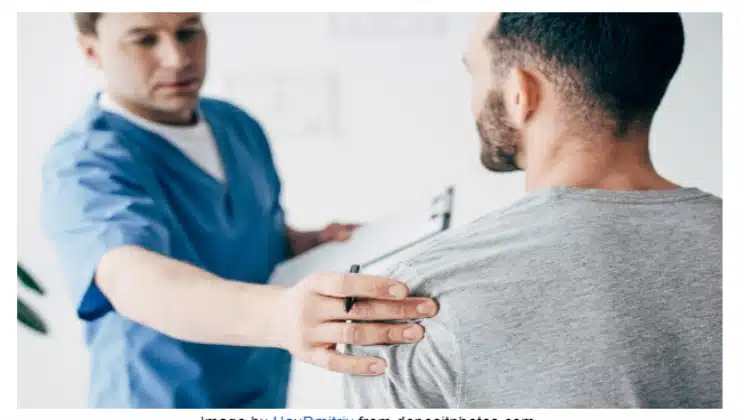
People are increasingly interested in playing various sports, such as basketball, volleyball, badminton, golf, cricket, and tennis. Good shoulder strength is crucial for playing these sports efficiently and preventing injuries. And shoulder rehabilitation can help improve your shoulder strength and make it fit to play your favorite sports efficiently.
Licensed physical therapists design a customized treatment tailored to your specific shoulder condition to improve your strength and health. It also focuses on preventing the risk of further shoulder complications and pain reoccurrences. Let us look at when you need shoulder rehabilitation and how it helps you.
To better understand the topic, we will tackle the shoulder’s anatomy before diving into why shoulder injuries often require specialized rehabilitation.
Anatomy of the Shoulder
The shoulder comprises three main bones – the scapula, the humerus, and the clavicle. The shoulder joint structure provides tremendous flexibility, including 360 degrees of motion. This bone structure makes the shoulder the most limber joint and prone to instability and dislocation.
Shoulder ligaments hold the ball of the arm bone in the socket of the scapula, and the rotator cuff helps the ball center in its socket throughout the overhead use of the arm. While this 360-degree motion is beneficial, it also puts the shoulder at a greater risk of injury, especially with repetitive overhead activity in athletics or manual labor.
Why Shoulder Injuries Often Require Specialized Rehabilitation?
Our shoulder plays a vital role in our day-to-day lives and, when injured, can significantly impair an individual’s quality of life, especially when competing in sports. Surgery should be considered a secondary but effective option for correcting an injury, relieving pain, and returning to the field. Once surgery is done, however, the job still needs to be finished. Only then must a patient begin rehabilitation to regain full mobility.
Shoulder rehabilitation has one of the most critical roles in avoiding surgery and recovering from surgery when required. The shoulder injury may be repaired without proper retraining, but the shoulder will not function optimally. However, it may be acceptable for some patients. Still, those who live an active lifestyle or play competitive sports must fully complete their rehab regimes to return to prime performance levels.
Most patients attend physical therapy sessions within a few weeks after surgery to regain normal flexibility and movement. Shoulder rehabilitation is done through a series of stretches and exercises provided by your PT. Some of these exercises must be completed at home to expedite recovery. Attending PT sessions and regularly completing at-home exercises is imperative to regain full mobility. If a patient needs to do both to the best of their ability, it is improbable that they can use the shoulder and resume competing at an optimal level.
What are the Common Shoulder Injuries that Call for Shoulder Rehabilitation?
Below are some examples of prominent shoulder injuries and other conditions needing shoulder healing and rehabilitation:
- Fractures
- Frozen shoulder
- Arthritis
- Impingement of rotator cuff
- Rotator cuff tendonitis
- Rotator cuff tear
- Bicipital tendinitis
- Shoulder arthroscopy
- Shoulder replacement
Your surgeon will inform you whether you need to go to a shoulder rehabilitation program. It is best to consult professionals for these cases, like the Dallas shoulder surgeons.
What are the Symptoms Indicating the Need for Shoulder Rehabilitation?
- Experiencing pain when lifting shoulder or extending arm
- Tenderness in the shoulder
- Shoulder pain that does not let you sleep on the ailing shoulder’s side
- Restricted movements of your shoulder to arm
- Popping, cracking, or any discomfort in the shoulder
What Happens in a Shoulder Rehabilitation Program?

Shoulder rehabilitation helps alleviate the initial pain and lets the injured part heal to regain muscle strength. It enables you to return to your normal range of motion. It focuses on a personalized program comprising physiotherapy exercises tailored to your shoulder healing needs. Its key stages include:
- Helping you develop and maintain good posture and flexibility
- Shoulder stabilizing exercises
- Strengthening the rotator cuff and other vital muscles of the shoulder
- Training the patient to perform the necessary shoulder exercises at home
The shoulder rehabilitation program will vary depending on the injury of your shoulder. Other stages of shoulder rehabilitation programs may include:
- Stretching stiff or tight muscles and joint structures
- Mobilizing the shoulder and other necessary joints
- General shoulder conditioning for endurance is needed
How Long Does the Shoulder Rehabilitation Program Take?
The duration of the shoulder rehabilitation program differs from patient to patient. It will depend on the condition that you have. Your shoulder physical therapist will customize your program according to your needs.
Specific shoulder injuries may need one to a few weeks of rehabilitation sessions under direct training from a physiotherapist. Afterward, you can practice the exercises at home.
For serious shoulder surgeries with healing issues or other complications, rehabilitation may extend to 1 month or longer. For example, if a patient has a massive rotator cuff tear and surgery, shoulder rehabilitation may need a 3 to 4-month program for complete healing. A total shoulder rehabilitation should have minimal or no pain, regained shoulder strength, a fully functioning range of motion, and the ability to perform physical activities smoothly.


