Understanding the World of Science and Medicine
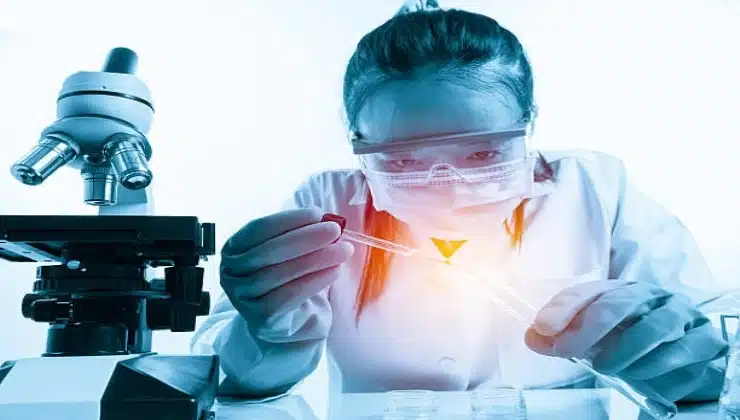
Health and medicine go hand in hand playing a role in our wellbeing and the quality of our lives. In the same fashion as online gambling with examples like Intertops login, the realm of science is constantly evolving, pushing boundaries to deepen our knowledge about the body, the origins of diseases and cutting-edge treatment methods.
In this all-encompassing guide we will embark on a captivating journey, into the realm of health and medicine exploring its past unraveling the complexities of the body discussing disease prevention and management strategies and examining emerging trends that are shaping the future of healthcare.
1. The Foundations of Modern Medicine
The field of medicine has its roots, in civilizations, where early healers depended on the use of remedies, rituals and spiritual beliefs. As time went on empirical observations and scientific investigation became the bedrock of practice.
Throughout history significant advancements in medicine have been made. Milestones such as the invention of the microscope the introduction of germ theory and the discovery of antibiotics have completely transformed our understanding of diseases. Opened up avenues, for effective treatments.
2. Anatomy and Physiology: Understanding the Human Body
The human body is a web of interconnected systems, each, with its unique role. To effectively address health issues, it is crucial to comprehend the respiratory systems.
Homeostasis plays a role in maintaining an internal environment within the body. Its purpose is to ensure that crucial physiological factors such as temperature, blood pressure and pH levels remain within ranges, for our wellbeing and survival.
3. Disease: Causes, Types, and Prevention
There are generally two types of diseases; diseases, which are caused by pathogens, like bacteria and viruses and non-infectious diseases which often stem from genetic factors, lifestyle choices or environmental influences. It is crucial to differentiate between these categories in order to develop prevention and treatment approaches.
Taking measures is essential in reducing the risks associated with diseases. These measures include getting vaccinated to protect against diseases adopting lifestyle habits such as balanced diets and regular exercise to prevent noninfectious conditions and implementing environmental controls to minimize exposure to harmful agents.
Public health initiatives and educational campaigns play a role, in promoting these strategies empowering individuals and communities to take proactive steps in managing their health and wellbeing.
4. The Healthcare Ecosystem: From Primary Care to Specialized Medicine
Primary care doctors are typically the touchpoint, for patients within the healthcare system. They offer a range of healthcare services, including care and recommendations for specialized treatment when necessary. The field of medicine has branched out into specialties and sub specialties such, as cardiology and neurology each concentrating on areas of the body or specific medical conditions. This specialization guarantees that patients receive care that is customized to their requirements.
5. The Power of Pharmaceuticals
The impact of pharmaceuticals, on the field of medicine is undeniable as they have brought about advancements in providing efficient treatments for a wide range of medical conditions. The process involved in developing these medications is thorough and meticulous involving testing, clinical trials and regulatory scrutiny to ensure their safety and effectiveness.
However, the journey towards treatment does not conclude with the development of drugs. Ensuring medication safety involves aspects such as accurate prescribing by healthcare professionals precise dispensing by pharmacists and patients adhering to their prescribed treatment plans. The potential consequences of errors, in medication highlight the role played by healthcare professionals’ attentiveness and patient education in safeguarding the wellbeing of individuals relying on therapies.
6. Surgery: The Art and Science of Healing
Surgeons are trained experts who carry out a diverse array of procedures encompassing both lifesaving surgeries and elective cosmetic surgeries. Over time advancements, in techniques and technology have resulted in outcomes and less invasive approaches.
Minimally invasive surgeries, such, as robotic assisted surgery provide patients with recovery periods and minimized scarring. These innovative techniques have significantly impacted practices across specialized fields.
7. Diagnostic Tools and Medical Imaging
Medical imaging plays a role, in healthcare by helping with the diagnosis and monitoring of diseases. Techniques like X rays MRI and CT scans provide images of the body’s structures, which greatly assist healthcare professionals in their diagnostic efforts.
In addition, laboratory tests such as blood tests, biopsies and genetic testing offer insights for diagnosis. The continuous advancements, in technologies have significantly improved accuracy and the ability to detect diseases at stages when they are more manageable. These diagnostic tools contribute greatly to intervention and effective management of a range of medical conditions ultimately leading to better patient outcomes and quality of life.
8. The Importance of Preventive Care
Vaccines have been crucial, in safeguarding health by preventing various infectious diseases and minimizing their impact, on society. Immunization initiatives have witnessed accomplishments resulting in the elimination or effective management of previously fatal illnesses.
Furthermore, the timely identification of ailments such, as cancer and cardiovascular problems plays a role in enhancing patient outcomes. Regular screenings are vital for pinpointing health risks and commencing treatments thereby increasing the likelihood of intervention and recovery. These collective endeavors highlight the significance of immunization for prevention and screenings for detection, in safeguarding health and individual welfare.
9. Mental Health: The Intersection of Mind and Body
Taking care of our health is crucial, for our wellbeing. Conditions such as depression, anxiety and bipolar disorder have an impact on millions of people across the globe. By gaining an understanding of these disorders we can work towards reducing stigma and encouraging intervention.
When it comes to treating health disorders there are approaches available. Psychotherapy, medication or a combination of both can be used to help individuals manage these conditions effectively. Thanks to advancements in health care the quality of life, for those dealing with these disorders has greatly improved.
10. Emerging Trends in Health and Medicine
Telemedicine and digital health technologies provide the opportunity for patients and healthcare providers to connect remotely using telecommunication tools. These advancements have proven important during times of health emergencies.
Personalized medicine focuses on customizing treatments based on an individual’s makeup and specific traits. Genomic medicine delves into the origins of diseases providing knowledge, for diagnosis and treatment purposes.
Conclusion
The field of health and medicine is constantly changing to keep up with the evolving needs of individuals and communities. With advancements, in science, technology and public health initiatives we can expect a future filled with possibilities for better healthcare and improved quality of life.
Living in a time when information’s easily accessible it becomes crucial for individuals to have an understanding of their health and the options available, to them. Being empowers people to make decisions advocate for their well being and actively engage in their healthcare journey. By navigating the world of health and medicine with insight and awareness we can work together towards an brighter future.


