
Reducing Support Tickets with Effective Customer Training
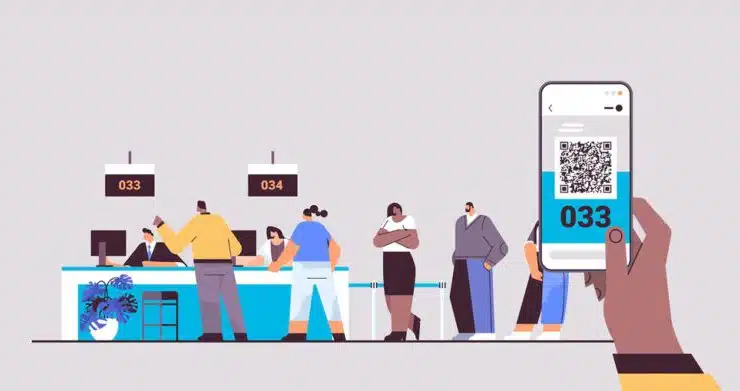
Welcome to the world of customer support, where the influx of support tickets can feel like a never-ending tide. Businesses across industries grapple with the challenges posed by overwhelming support ticket volumes, from stretched resources to increased costs. But fear not, for there’s a beacon of hope: effective customer training. In this journey, we explore how a proactive approach to training can be the secret weapon in reducing the support ticket conundrum.
The Support Ticket Conundrum
Picture this: a bustling customer support inbox flooded with tickets, each representing a user in need. It’s a familiar scene for many businesses, and while customer inquiries are a sign of an engaged user base, the sheer volume can strain support teams. The costs and resource implications of managing a large number of support tickets are not to be underestimated. From increased response times to potential burnout among support staff, the challenges are real and impactful. Let’s dive into the support ticket conundrum and understand the uphill battle businesses face.
The Role of Customer Training in Support Ticket Reduction
Now, imagine a scenario where customers not only know how to use your product or service but also troubleshoot common issues independently. This is where the magic of customer training comes into play. Effective training equips users with the skills and knowledge to navigate challenges without immediately reaching out for support. The link between knowledge gaps and increased support ticket submissions becomes evident. The goal here is to shift from a reactive support model to a proactive one, where well-trained customers become self-sufficient troubleshooters.
Empowering Customers to Self-Serve
The self-service revolution is upon us. Customers, armed with knowledge gained from comprehensive training, can resolve issues on their own terms. Whether it’s finding answers in FAQs, following step-by-step video tutorials, or consulting user guides, well-trained users can navigate the troubleshooting landscape independently. This shift towards self-service not only reduces the burden on support teams but also empowers customers to take control of their user experience. It’s a win-win scenario that starts with investing in customer education. If you’re looking for an LMS for managing growth in customer education, check out DigitalChalk.
Creating Comprehensive Training Resources
To empower customers, you need to provide them with the right tools. This means developing in-depth training materials and resources that cater to various learning preferences. FAQs, video tutorials, user guides – the arsenal of training resources should be diverse and accessible. The key is to create an environment where customers can easily access the information they need, fostering a culture of continuous learning and self-improvement.
Interactive Training for Skill Building
Training doesn’t have to be a dull affair. The use of interactive methods, such as gamification and simulations, adds an element of fun and engagement to the learning process. Imagine users acquiring skills while enjoying the process. The result? A well-equipped user base ready to tackle challenges with confidence. Interactive training not only makes the learning journey enjoyable but also ensures that users retain and apply the knowledge effectively.
Monitoring and Measuring Success
In the realm of customer training, success isn’t a one-time achievement – it’s an ongoing journey. Monitoring and measuring the impact of training programs is crucial. From tracking changes in user proficiency to analysing support ticket trends, businesses need to implement feedback loops for continuous improvement. Tools and analytics become invaluable allies in ensuring that the training efforts are not just a checkbox but a strategic initiative with tangible results.
Useful Tips for Customer Training
Customer training is more than just compiling information and throwing it out to users. You need to create engaging, informative, and insightful courses. But, this isn’t an easy process. Take your time in order to get it right. Here are some tips that can help you perfect your customer training and create something that’s useful for your audience.
Make Elements Exciting
Customer training is designed to be educational. However, this doesn’t mean that the content needs to be packed with information and boring to learn. Instead, you have to remember that people gain more information from something they enjoy. When you have fun elements to your customer training, they’re more likely to retain this content and get more from the training. Consequently, they’ll be more satisfied with your products or services. So, think about adding exciting content like games, quizzes and videos to switch things up
Remember to be User-Friendly
There are some companies that get carried away when it comes to customer training. They feel like they have to impress their customers and condense a lot of information into the training content. In other words, it becomes long and complicated, which can cause more confusion for products and services.
Instead, focus on being user-friendly. You don’t have to make things more difficult than they need to be. Use basic language for concepts you’re trying to explain, as well as make sure the interface is easy to use. You want to improve accessibility and allow everyone to gain value from your customer training.
Provide Support Resources
Hopefully, your customer training is as thorough as it can be. But, there will be some situations where customers require more support. This could be because they have follow-up questions or have problems understanding the content. Either way, the most important thing is that they can get further help when required.
How can you provide further support resources? You can give your contact details at the end. Alternatively, you can create frequently asked questions or link to other helpful user guides. Then, the customer is free to explore these when they want to.
Conclusion
The road to reducing support tickets doesn’t solely lie in hiring more support staff or optimising ticket response times. It begins with empowering your customers through effective training. By providing the knowledge and tools necessary for users to become self-sufficient, businesses can transform their support landscape. It’s about creating a symbiotic relationship where well-trained customers contribute to a more streamlined support process. So, take the plunge into proactive customer training, and watch as the support ticket conundrum becomes a thing of the past.


