
Exploring the Role of Precious Metals in Retirement Savings: A Comprehensive Guide
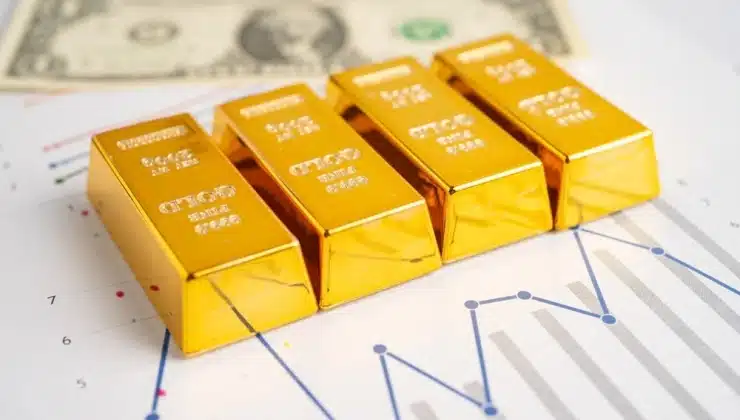
In today’s ever-changing financial landscape, planning for retirement has become increasingly complex. With economic uncertainties and fluctuating markets, individuals are seeking alternative investment options to secure their retirement savings. One such avenue gaining attention is the inclusion of precious metals in retirement portfolios. But are precious metals truly a viable option for retirement savings? Let’s delve deeper into this topic to understand the potential benefits and considerations.
Understanding Precious Metals
Precious metals, including gold, silver, platinum, and palladium, have long been valued for their rarity, intrinsic beauty, and utility across various industries. Unlike fiat currencies, which can be subject to inflation and geopolitical factors, precious metals have historically retained their value over time, making them a popular choice for investors seeking stability and wealth preservation.
The Role of Precious Metals in Retirement Savings
Diversification is key to any successful investment strategy, especially when it comes to retirement planning. Including precious metals in your portfolio can help mitigate risk and safeguard against market downturns. Precious metals often exhibit low correlation with traditional assets like stocks and bonds, offering a hedge against economic volatility.
Moreover, precious metals have demonstrated their ability to preserve purchasing power in times of inflation. As central banks around the world continue to engage in expansionary monetary policies, concerns about currency devaluation and purchasing power erosion have led many investors to allocate a portion of their assets to precious metals as a safeguard against inflationary pressures.
Investment Vehicles for Precious Metals
Investors have several options for gaining exposure to precious metals within their retirement accounts. These include:
Physical Bullion: Investing in physical gold, silver, platinum, or palladium coins and bars allows investors to directly own tangible assets. However, storage and security concerns may arise, and purchasing physical bullion often incurs additional costs such as insurance and storage fees. When considering gold jewelry as part of your investment portfolio, remember that it can offer not only aesthetic value but also the potential for easy liquidation when sold to a reputable gold buyer.
Exchange-Traded Funds (ETFs): Precious metal ETFs offer a convenient way to invest in metals without the logistical challenges associated with physical ownership. These funds track the price of underlying metals and can be bought and sold like stocks through brokerage accounts.
Precious Metal Mining Stocks: Investing in companies engaged in the exploration, development, and production of precious metals can provide exposure to the sector’s potential upside. However, mining stocks are subject to company-specific risks and stock market fluctuations.
Precious Metal IRAs: Some financial institutions offer Individual Retirement Accounts (IRAs) specifically tailored to include precious metals as part of the investment mix. These accounts provide tax-advantaged status, allowing investors to potentially enhance their retirement savings while diversifying into precious metals.
Factors to Consider
Before incorporating precious metals into your retirement savings strategy, it’s essential to consider the following factors:
Risk Tolerance: Precious metals can be volatile assets, and their prices can experience significant fluctuations over short periods. Investors should assess their risk tolerance and investment objectives before allocating funds to precious metals.
Storage and Custodial Fees: If investing in physical bullion or holding precious metals within an IRA, investors should factor in associated storage and custodial fees, which can impact overall returns.
Market Dynamics: The price of precious metals is influenced by various factors, including supply and demand dynamics, geopolitical events, interest rates, and currency movements. Staying informed about market trends and global economic developments is crucial for making informed investment decisions.
Portfolio Allocation: While precious metals can serve as a hedge against market volatility, experts typically recommend allocating a modest percentage of a diversified portfolio to precious metals, typically ranging from 5% to 10%, depending on individual circumstances and risk preferences.
Conclusion
In conclusion, precious metals can play a valuable role in diversifying and safeguarding retirement savings. As part of a well-rounded investment strategy, allocating a portion of your portfolio to precious metals can help mitigate risk, preserve purchasing power, and enhance long-term wealth preservation objectives. However, it’s essential to conduct thorough research, assess your investment goals and risk tolerance, and consult with a financial advisor to determine the most suitable approach for incorporating precious metals into your retirement savings plan. By carefully weighing the potential benefits and considerations, you can make informed decisions that align with your financial objectives and aspirations for a secure retirement.


